Professional Wildlife Elimination Solutions You Can Trust
Professional animal elimination services offer homeowners a reliable way to handle wildlife issues. These solutions utilize specialized expertise and humane methods to tackle pest invasions effectively. A thorough inspection identifies weaknesses in properties, guaranteeing that not only are current issues resolved, but future risks are mitigated as well. Comprehending the process and its advantages is vital for homeowners facing these challenges. What considerations should be evaluated when selecting a reliable service?
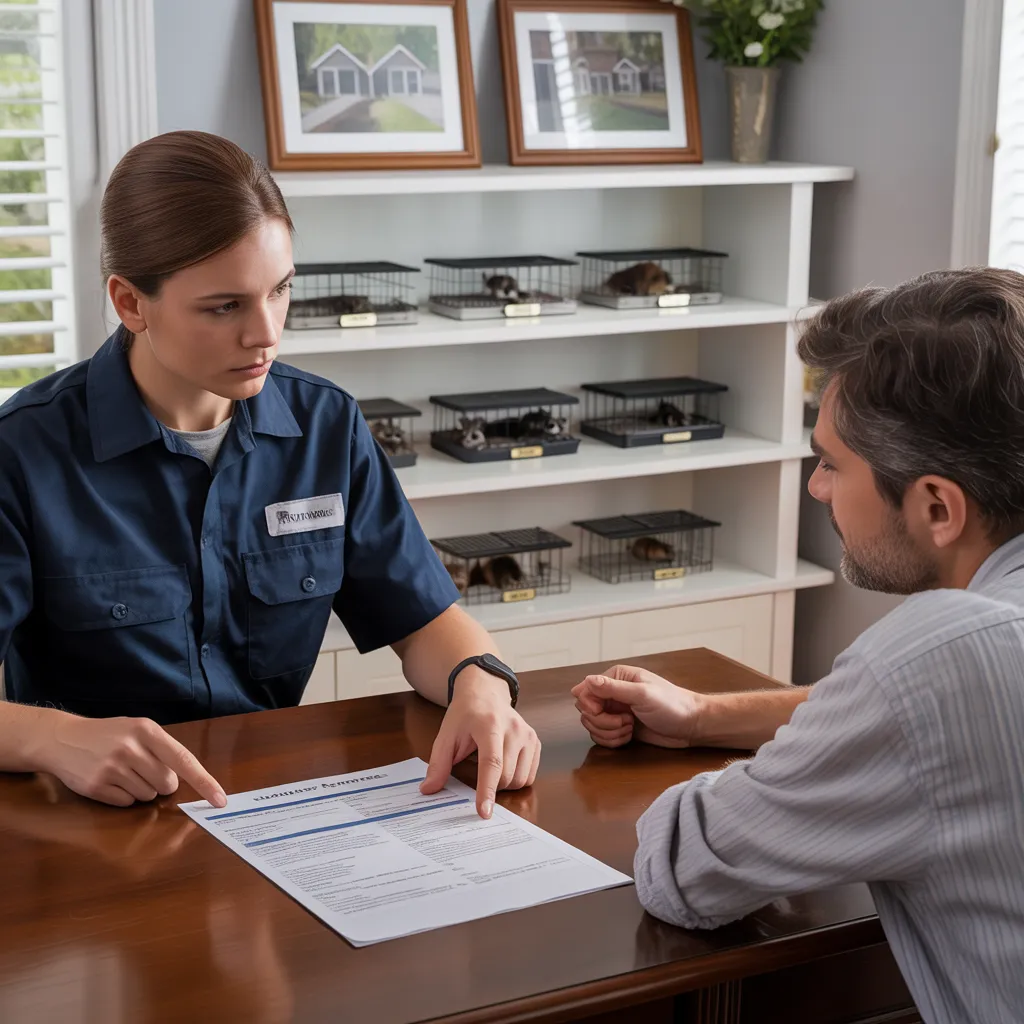
Why Professional Animal Management Matters
While many property owners may try to manage animal infestations on their own, the significance of expert wildlife elimination cannot be overstated. Professionals possess specialized knowledge and equipment that guarantee the safe and humane removal of unwanted wildlife. Trying do-it-yourself approaches can lead to further complications, such as injury to both the homeowner and the animal, as well as potential legal repercussions.
Additionally, specialists can recognize entry points and underlying issues, preventing future infestations. They also grasp local wildlife laws, verifying adherence during the removal process. Effective animal control not only safeguards the property but also preserves the health of its occupants by reducing the likelihood of disease transmission. By trusting experts, homeowners can dedicate time to their normal routines, assured that the situation is being tackled efficiently and prudently. In this manner, expert animal removal serves as an crucial undertaking in establishing a secure and healthy living environment.
Symptoms That You Need Animal Exclusion Services
Spotting the signs that suggest a requirement for animal removal services is essential for upholding a safe home environment. Homeowners should stay alert for unusual noises in attics or walls, which may indicate the occurrence of pests. In addition, unforeseen damage to property, such as gnawed wires or chewed furniture, can be a clear indication of an animal infestation.
Locating excrement or trails near the home is another sign that professional assistance might be necessary. Bad smells, often caused by creature remnants or dead animals, can also point to a serious issue. Furthermore, views of wildlife in or around the property, especially during the light hours, may show that animals are encroaching on living spaces. Prompt attention to these signs can prevent more major problems and ensure the safety and comfort of the household. Calling professionals at the first hint of trouble can reduce risks and restore peace of mind.
How to Find the Right Animal Removal Company
How can homeowners ensure they select the right animal removal company? First, they should research local alternatives and check online reviews. Favorable feedback can indicate a company's reliability and effectiveness. Additionally, confirming qualifications is crucial; certified and covered experts are more probable to follow industry standards and safety procedures.
Homeowners should also ask about the methods employed for animal removal. Humane approaches are critical, ensuring that animals are treated compassionately and safely. A trusted company will provide clear details about their techniques and follow-up services.
Furthermore, obtaining various estimates can help homeowners assess pricing and offered services. Clear pricing is essential to prevent unanticipated expenses. Finally, think about the organization's background; established companies often have a solid track record in managing various wildlife situations. By following these principles, homeowners can assuredly select a reputable animal control service.
How Expert Animal Removal Works
Selecting the right wildlife control firm assists homeowners comprehend the particulars of professional wildlife management. Initially, trained professionals undertake a exhaustive inspection of the site to uncover manifestations of animal activity and likely entry points. This assessment is essential for tailoring an effective elimination strategy.
Next, humane traps or exclusion techniques are implemented, ensuring that animals are caught safely. Expert technicians prioritize humane and responsible approaches, decreasing stress for the animals affected. Once removed, the technicians seal the original entry points to prevent future invasions.
Also, cleaning and disinfection are important parts of the process, as they help eliminate odors and potential health risks. This inclusive approach not only resolves the immediate issue but also enlightens homeowners about maintaining a wildlife-free environment. Ultimately, professional animal removal incorporates expertise, ethical practices, and preventive measures, ensuring a successful resolution to wildlife challenges.
Learning About What to Predict Upon Completion of Professional Animal Exclusion?
Once expert animal removal is complete, homeowners can expect a follow-up inspection schedule to guarantee the area remains secure. Additionally, prevention strategies implementation will be discussed to prevent future infestations. These steps are crucial for preserving a safe and pest-free environment.
Follow-Up Review Timetable
What can one expect during the later inspection procedure after qualified animal removal? Normally, this means a in-depth inspection of the area to guarantee that no animals are present and that any entry points have been thoroughly sealed. Professionals will scrutinize potential nesting sites and judge the effectiveness of past removal efforts. They may also search for signs of damage caused by the animals, such as gnaw marks or droppings.
The assessor will log findings and may recommend supplementary steps if necessary. This visit often functions as a peace of mind to residents, confirming that the space is devoid of animals and safe. Consistent follow-up visits can be vital in maintaining a pest-free environment and identifying any emerging issues promptly.
Prevention Methods Applied
Following a fruitful animal removal, prevention strategies play a crucial role in protecting the property against future infestations. Professionals typically employ a comprehensive approach, starting with a meticulous property inspection to identify potential entry points and vulnerabilities. Sealing cracks, installing screens, and reinforcing vents are typical measures taken to keep animals from returning. Additionally, landscaping adjustments, such as trimming excessive vegetation and managing food sources, help minimize attractants. Regular maintenance and monitoring are advised to guarantee the effectiveness of these strategies. Property owners may also receive guidance on best practices, such as proper waste disposal and securing pet food. By proactively addressing these factors, the risk of re-infestation is markedly reduced, assuring a safer and more secure environment.
Solutions to Ward off Future Creature Concerns
Preventing future wildlife problems takes anticipatory measures and a keen eye for potential entry openings. Homeowners need to regularly inspect their properties for spaces in foundations, attics, and vents, sealing any openings to prevent animal intrusion. Proper maintenance of landscaping is vital; thick vegetation can provide shelter for pests. Additionally, securely storing food and garbage in wildlife-resistant containers minimizes attraction to wildlife.
Installing fencing can also act as a warning, especially around crop areas or animal zones. It is essential to keep outdoor spaces tidy by clearing refuse and disorder that may accommodate animals. Training household occupants about wildlife awareness and the value of reporting read the facts sightings can establish a preventative mindset. Finally, consistent vigilance and maintenance of the property create an hostile setting for wildlife, greatly limiting the likelihood of recurring invasions and ensuring comfort for homeowners.

Frequently Inquired Questions
Does Homeowners Insurance Include Animal Removal Services?
Animal removal services might be included by homeowners insurance, based on the policy specifics. Homeowners should copyrightine their coverage details or contact their insurance provider to establish eligibility for reimbursement related to wildlife removal.
What Categories of Animals Do Professional Services Extract?
Professional services generally eliminate a variety of animals, including raccoons, squirrels, bats, skunks, snakes, and birds. Each species necessitates specialized techniques to ensure safe and ethical removal from residential or business properties.
What Period Should You Anticipate for the Animal Exclusion Process?
The animal removal process typically takes anywhere from one to several hours, based on what type of animal is present and the complexity of the situation. Area and accessibility are also important elements that determine how long it takes.
Will Animal Removal Harm the Animals Being Removed?
Animal displacement procedures are intended to decrease injury, highlighting protected transfer rather than injury. Reliable firms advocate for humane methods, ensuring that animals are handled carefully and moved back to appropriate environments whenever possible.
May I Attempt DIY Animal Exclusion Before Contacting Professionals?
Attempting DIY animal removal can be risky and may result in unintended harm for both the animals and the individual. Experts recommend evaluating the situation carefully before deciding whether to seek professional assistance.